All posts by Admin

Charlottesville: Acknowledging the Root Causes of Violence

The Women’s Resource Center (WRC) extends its sympathy and prayers to the family and friends of Heather Heyer and other victims recovering from the emotional and physical trauma of the recent Charlottesville, Virginia violence.

We condemn the racist, anti-Semitic and unjust actions of white supremacists whose evil is rooted in power, privilege, and control over others.

Our agency is focused on the prevention of domestic violence which typically occurs behind closed doors in the home. It, too, is rooted in power, privilege, and control over others. But, violence is violence. And violence begets violence. It’s a social injustice that simply needs to end.

The first step is to acknowledge and examine the root cause of the violence. As a nation and as individuals, we cannot pretend that prejudice and intolerance does not exist. We need to look inside ourselves and within our communities, and fully commit to having potentially difficult conversations about racism, sexism, gender or religious bias, hatred, bigotry, and rage. We need to challenge all forms of oppression.

For the past decade, the Women’s Resource Center has considered anti-oppression principles to be integral to ending domestic violence. Judgmental thinking and misunderstanding can cause pain and humiliation and propagate oppressive behaviors. At the root of peaceful existence for all life on Earth is respect for all people.

Our hearts are with those who speak out against injustice. We are inspired by the people all over the country who are standing up to and speaking out against the white nationalism and violent acts that occurred in Virginia. As a proud member of the national “Move to End Violence” against girls and women in the United States, the WRC is committed to making the work of eradicating racism a priority in our community. Envisioning a future free from violence starts within each of us acting as agents for such change, leading the way to a better world.


Lori N. DiPersio

Executive Director, Women’s Resource Center


SPOTLIGHT ON Sharon King

The Family Violence Options Advocacy program (FVOAP) assists the state Department of Human Services (DHS) clients who are victims/survivors of domestic violence. Sharon King is FVOAP director at the Women’s Resource Center, a position she has held for four years.

A social worker for 27 years, Sharon is in charge of a four-person team of advocates who work with DHS to help domestic victims in Newport and Bristol County and in other parts of Rhode Island to obtain services. The FVOAP coordinates resources through the DHS and other agencies and programs to help clients obtain protection, legal services, housing assistance, counseling and other basic needs.

Sharon and her team also work closely with the Rhode Island Coalition Against Domestic Violence to make sure the process goes smoothly. While she is the administrator, she also maintains a client caseload of 30 families, while the team has 50 to 70 families.

“What I like best about the job is working with families. That’s the best part of the job to me, which is why I keep a caseload. I love helping people. That’s why I became a social worker – to work with families and not just to write reports and go to meetings,” she says.

Because the FVAOP is statewide, Sharon and her team do a lot of traveling. In addition to Newport and Bristol Counties, she has clients throughout southern Rhode Island. Each day is different, with duties ranging from meeting with clients at their homes or in shelters to do assessments and then finding the best ways for them to receive services.

“This job is meaningful because I know the resources that are available and can provide a lot of my experience and knowledge to my clients,” says Sharon. “This type of program is looking at the case and working on the whole family issue; seeing how this person can move on from domestic violence through financial assistance, therapy, child care, child IEPs, and other services. It’s so rewarding to know you’ve helped someone to get what they asked for, and maybe a lot ore.”

Sharon, a Bristol, R.I. native, acknowledges that working with domestic violence victims and survivors is sometimes very difficult. “Some of the things you see, hear and feel are horrific and that takes a long time to get used to. I always advise the young people who I hire to try and leave the job at work. Self care is important.”

As to her own ways of avoiding burn-out, Sharon says, , “I run, I do yoga, I work out at a gym almost every day. I have a chocolate lab named Lola so I hike and run with her at Mount Hope Farm, Warren Beach and Burr’s Hill Park.”

A graduate of Boston College, Sharon obtained a master’s degree from Anna Maria College. Divorced for 13 years and a survivor herself, she said she raised her son on her own and is proud to now see him in his second year of college, studying education. “I have a wonderful, supportive family, she said.

Women’s Resource Center Celebrates 40 Years

When relationships turn abusive and violent, it is important to have outside support. That’s where the Women’s Resource Center comes in. Since 1977, WRC has been a listening ear, a helping hand and in some cases, a lifeline to individuals experiencing domestic violence.

The overarching goal of WRC is that through education and intervention, there will one day be a world without domestic violence. But, as everyone knows, it’s complicated. Therefore, WRC continues its mission of domestic violence prevention and providing support for victims and their families.

Back in the 1970’s the issue of domestic violence was barely on the public’s radar. When a domestic incident occurred, it was often kept quiet by those involved, out of fear and shame. Police had virtually no training to deal with the problem. When called, they would intervene, but arrests were rare. Restraining orders could be obtained, but the process was intimidating. Victims often felt as if there was no one to turn to and no place they could go for help.

In Rhode Island, that changed in 1977 with the founding of the Women’s Resource Center serving Newport and Bristol Counties. The early WRC began with a handful of committed women staffing phones in a small office in Newport to answer questions about a number of social justice issues. Within a few years, however, it became clear that domestic violence was a key issue that needed to be addressed and that domestic violence victims required specialized help. The WRC decided this would be its main focus.

Christina W. McIntyre, one of WRC’s founders, recalled the development of the WRC’s programs. “We started to see that, as a society, things were changing and people were starting to understand domestic violence more and to talk about it. Victims were more open about coming forward to seek help for themselves and their children, so our programs and services were designed from there.” She noted that this included researching and pursuing available resources at the state and federal level as well as engaging in fundraising.

In the past four decades, there have also been important changes in the legal system pertaining to domestic violence. Until the late 20th century, there were few laws pertaining to the protection of domestic violence victims and punishment of perpetrators. The WRC is fully involved in working with the local and state police and the court system to help protect victims and seek punishment and rehabilitation for perpetrators.

Ms. McIntyre said she is proud to see that the WRC is not only still in existence 40 years later but that it has grown and expanded its reach in both providing services to victims and in pursuing prevention efforts through education. The main WRC facility is still located in downtown Newport, at 114 Touro Street, and there is a second office in Warren, at 624 Main Street.

Lori N. DiPersio, WRC’s executive director, notes the societal shift in the past 40 years to acknowledge the existence of domestic violence across all ages, ethnic backgrounds, sexual orientations and income levels. “While I wish, of course, that domestic violence could be eradicated completely, I am grateful that victims today live in a society where the topic is discussed openly and they can feel less shame and fear about turning to a place like WRC for assistance.”

Today, the WRC provides assistance for victims in a number of ways:

  • Helping them obtain temporary restraining orders against perpetrators
  • Explaining their rights
  • Accompanying them to court
  • Helping them find shelter for themselves and their children
  • Helping children who witness abuse with counseling
  • Training police to deal with the problem

One of the biggest changes in the last few decades is that the WRC provides emergency shelter and temporary housing to domestic violence victims. Finding shelter for victims is an especially important role. While it is best for victims to escape their abusers, it is also the most dangerous point in the relationship. Abusers often go to extremes to prevent victims from leaving and try to track them down after they do leave, sometimes harming them, or even killing them..

With the increasing understanding of domestic violence, WRC began reaching out to entire families, all age groups and members of both genders. It also tries to educate friends and neighbors about the cycle of abuse and how to recognize symptoms. In addition, the growth in knowledge on the part of the public itself is a help for victims as they are better understood and less likely to feel ashamed.

”While women are far more likely to be victims of domestic violence than men, it’s important to remember that there are male victims, child victims and elderly victims,” adds Ms. DiPersio. “Today, the WRC has the ability to assist individuals in a variety of different ways and to tailor services to fit the specific needs.”

Ms. DiPersio also notes that among the positive changes in the past 40 years is an increase in the number of agencies statewide and nationally that provide domestic violence assistance and prevention services. The WRC embraces and supports many national efforts, and is an active member of the Rhode Island Coalition Against Domesic Violence as well as its statewide “sister” agencies.

Ms. DiPersio credits the WRC staff members, both current and former, for their efforts in aiding victims and doing prevention work. “This is hard work because it involves assisting people who are in difficult and often upsetting situations. It can be stressful and emotionally draining, so I truly thank everyone who has been involved with WRC in the past as well as those who helping us move forward.”

The WRC has also expanded its mission in the face of more recent technological and societal changes. For example, with the advent of cell phones and social media, bullying has become a greater problem. The WRC staff members visit local middle and high schools and lead discussions about online bullying, sexting and other negative social behaviors that also constitute abuse.

“The mission of WRC has always been the prevention of domestic violence and to provide support services to individuals in Newport and Bristol Counties. “I’m proud of what WRC has been able to accomplish in the last 40 years and look forward to its continued evolvement in helping victims as well as cutting down on domestic violence incidents,” said Ms. DiPersio.

Eight “Wild Women of Bristol County” Honored

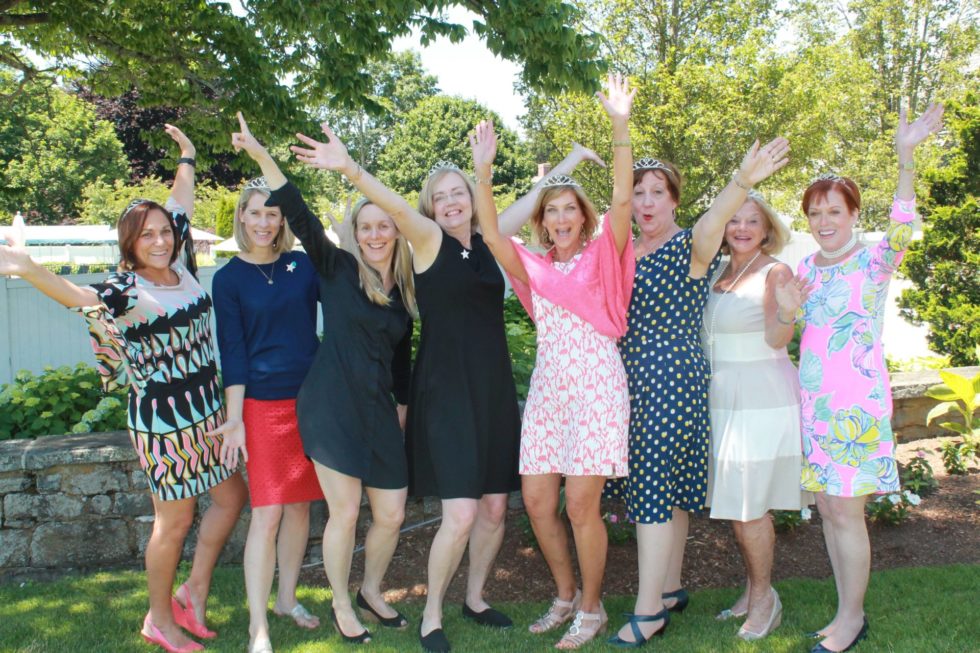
Congratulations to the “Wild Women of Bristol County” who were recognized at a luncheon in their honor on June 22, 2017 at the Rhode Island Country Club for being inspiring role models. These ladies are active and involved in business, civic and community organizations throughout Rhode Island and have a powerful influence on those around them.

Emcee for the event was Joan Johnson-Freese. Sara Cabral as keynote speaker told an emotional and powerful story of her domestic violence experience before a rapt audience.

Pictured from left to right:  Maria Ursini, executive director, Bristol Senior Center, Bristol and Coordinator, Bristol Substance Abuse Coalition; Suzanne Harrington-Steppen, Associate Director of Pro Bono Programs, Roger Williams University School of Law; Cecily Ziegler, staff attorney, Immigrant Victims’ Rights Project, Dorcas International Institute of Rhode Island; Maureen Taylor, historic photo researcher and family historian; Barbara Stamp, realtor, Residential Properties, Ltd.; Diane Medeiros, vice chairwoman, Rhode Island State Board of Elections; Audrey Field, (Retired) former director of Volunteer Services, including Senior Corps, Foster Grandparents and Americorps at East Bay Community Action Program; Victoria Almeida, Esq., shareholder at Adler Pollock & Sheehan


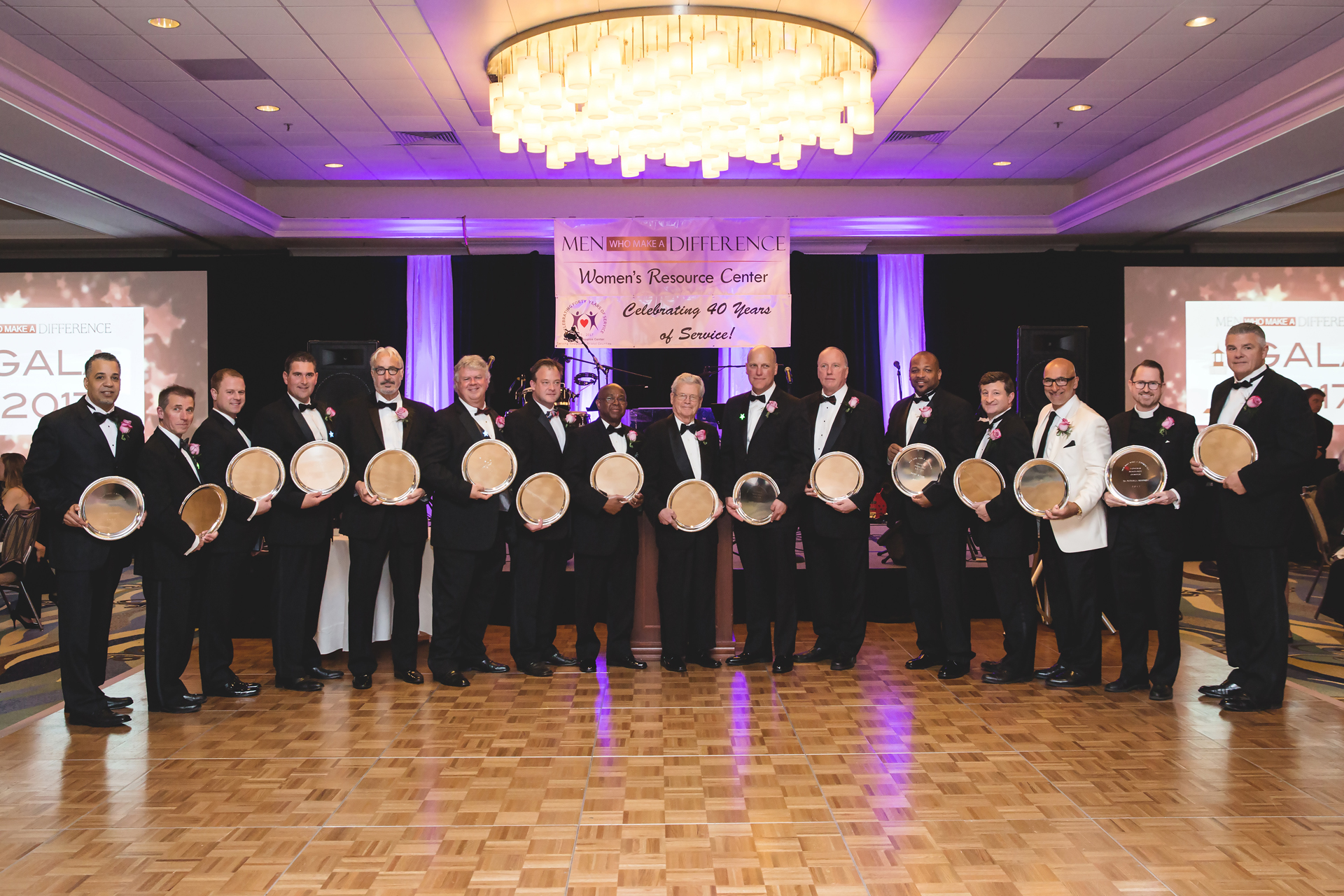
2017 Men Who Make A Difference

The Women’s Resource Center hosted it’s annual Men Who Make A Difference Gala last Friday evening, April 21st at Gurney’s Newport Resort and Marina.  Sixteen men who have done good deeds in their community were celebrated for their accomplishments.  It was a wonderful evening with a great turn out.  More than 270 guests attended the Gala making it a smashing success!! We want to thank everyone for their support, including our sponsors Blue Cross Blue Shield, Bowen’s Wharf, BWM of Newport and the Rhode Island Turnpike & Bridge Authority.

Men Who Make A Difference 2017 (Purchase Tickets )

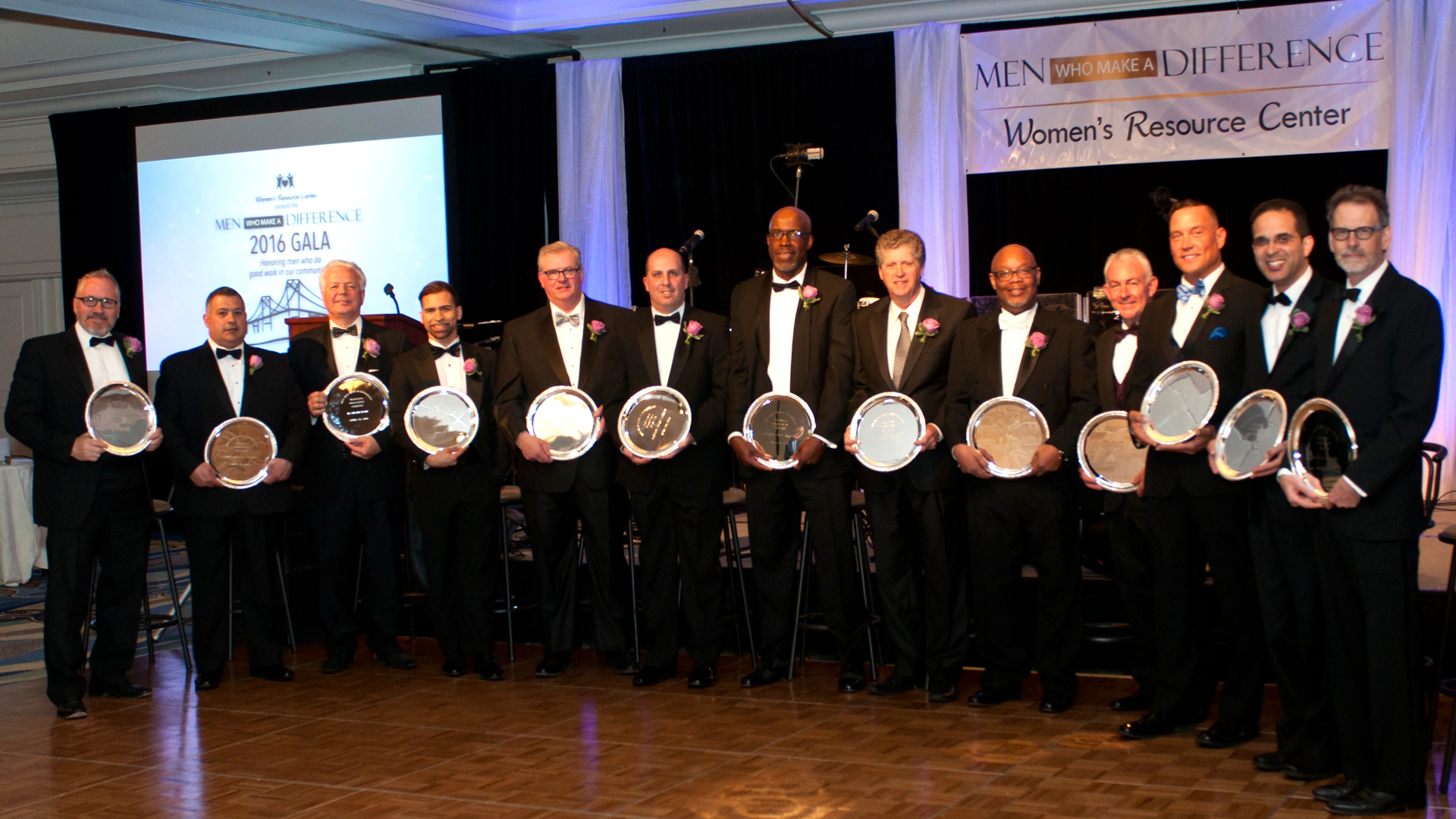
The Men Who Make A Difference (MWMAD) Gala celebrates men who work within our Rhode Island community to make positive and lasting change. This event promises to be an inspiring and memorable evening featuring cocktails, hors d’oeuvres, dinner, dancing and a silent auction as we learn about our Honorees.

This year we will be hosting the event at Gurney’s Newport Resort & Marina (Formerly the Newport Hyatt).  The evening kicks off at 6PM and we will have live and silent auctions along with a wonderful sit down dinner.  Honorees will be presented with awards and a nice short video about their accomplishments.

Click here to purchase tickets

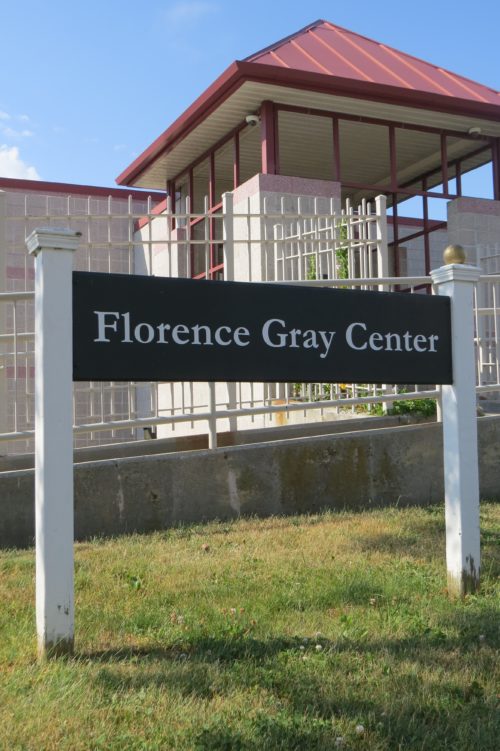
The Florence Gray Center is Up and Running

Residents of Newport’s North End neighborhood have a new place to go for their health and wellness needs as well as to meet their neighbors and socialize. The Florence Gray Center wellness hub, at 1 York Street, is now officially operating under the Newport Health Equity Zone (HEZ) initiative.

The Florence Gray Center (FGC) wellness hub will serve the North End in much the same way that the Dr. Martin Luther King Jr. Community Center (MLKCC) wellness hub at 20 Dr. Marcus Wheatland Boulevard functions in the city’s Broadway neighborhood. The wellness hubs at both facilities offer free programs, services and activities to community members of all ages. An open house was held at Florence Gray earlier this month to introduce the new meeting space to local residents. The event was well attended and captured by Channel 10 news.

The Women’s Resource Center, serving Newport and Bristol Counties, is the sponsor agency of the Newport HEZ program. Olivia Kachingwe, project coordinator for the Newport HEZ program, said that having a second wellness hub in the city is important because it will provide residents of the North End with better access to the programs and activities planned by the HEZ program. “We found in our needs assessment that transportation is an issue for many residents, so we are pleased to have a second wellness hub in the city. It is important to us that our activities are equally accessible to both communities that make up the Newport HEZ. My hope is that both locations are thriving and vibrant,” she said.

Both the FGC and MLKCC wellness hubs offer a wide range of programs, classes and activities under the Newport HEZ initiative. While the impetus for all of the programs is to foster healthier lifestyles for residents and prevent disease, the specific offerings reflect the input and direction of community residents. Classes range from diabetes prevention and yoga to basketball clinics and a senior citizens’ walking group.

Olivia notes that hub offerings are on a two to three month cycle. This ensures variety and allows them to reach a larger, more diverse audience. Moreover, programs are funded through a mini-grant process advertised in the community. This allows for residents to develop an idea, apply for funds, and implement a program. “It is important to the HEZ collaborative that residents themselves feel empowered and are supported to make community change. They are meeting the needs that the community identified, and are providing programs by themselves, for themselves,” says Olivia.

In addition to resident-driven programs funded through a community bid process, the wellness hubs also offer evidence-based programs such as the Diabetes Prevention Program. Residents of the Newport HEZ have been trained by the Rhode Island Department of Health to facilitate these classes.

In addition to the structured programs, Olivia says the Florence Gray Center, like its counterpart at the MLKCC, can be used as community meeting space upon request. The collaborative already holds monthly meetings in the wellness hubs and they would like to provide the opportunity to others. “If a group or individual would like to hold a book club for example, but just needs a space, we would love to host it. Ultimately, we would like for the spaces to feel like they belong to HEZ as much as they are the community’s,” says Olivia.


Spotlight on Jessica Walsh

Tackling the all-important issue of domestic violence prevention is a complex task, and Jessica Walsh has been leading the effort at Women’s Resource Center (WRC) for the past 13 years.

As director of prevention, Jessica is tasked with making sure that her team stays focused on the main vision – eliminating domestic violence – and that all projects effectively reach their target audience and maintain a forward momentum.

Finding the best way to hold that vision is a bit like “building the ship while sailing it,” explains Jessica. “There is no map, because we are the ones creating it for others. So the vision is really important, as it ensures our whole team is moving in the same general direction.”

Jessica says her role keeps her busy and that each day is different. “I might facilitate a meeting in the community, manage the budget, supervise staff, paint a wall, or write a grant.”  She studied sociology and communications at the University of Rhode Island, where she became involved with the Center for Nonviolence and Peace Studies. There, she worked with Dr. Bernard Lafayette, a leader in the Civil Rights movement. “Learning about Kingian Nonviolence was a turning point for me; it shaped how I approach my work at the WRC, both philosophically and methodologically,” she says.

Jessica notes that doing innovative prevention work can be both highly satisfying and extremely frustrating. “It is satisfying to know that we are contributing in a very direct, concrete way to the national dialogue on domestic violence prevention. Our projects feel like complex puzzles that we have to try to untangle. That is basically our job.”

On a personal note, Jessica grew up in Exeter, R.I., where she lives with her husband, Ben, and her two children.

To unwind, Jessica says that lately she has been “binge-watching The West Wing. When I’m less sleep deprived I love to read, cook, and go for hikes.”

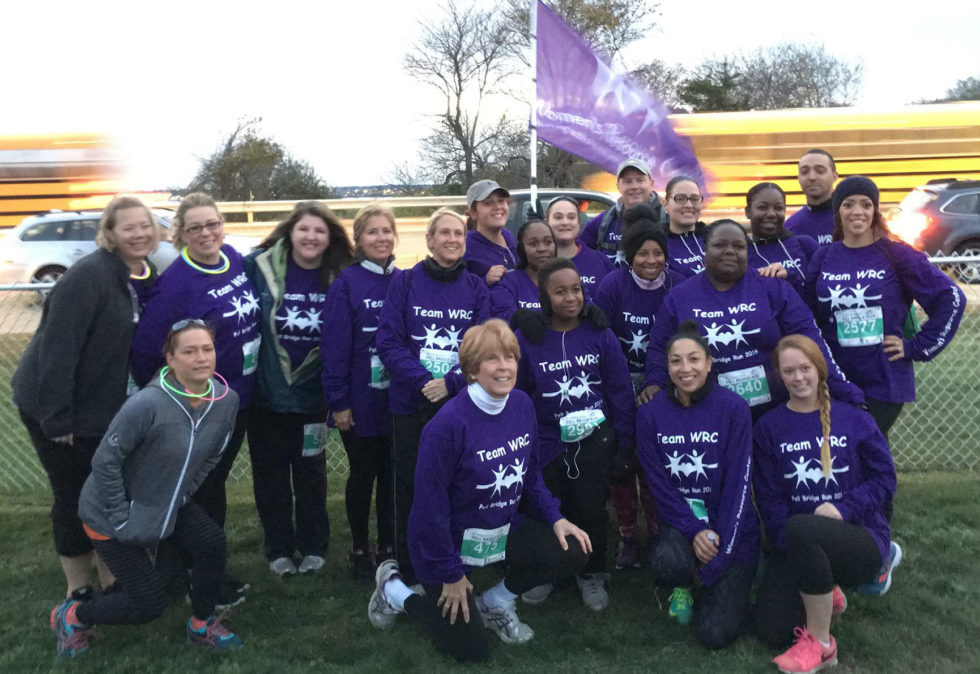
2018 Pell Bridge Run

The Citizens Bank Pell Bridge Run is a 4 mile run/walk produced by the Rhode Island Turnpike and Bridge Authority. This event is not-for-profit and 100% of proceeds will go to support local not-for-profits, like ours!

* October 21, 2018

* 7am: Race Begins

* $250 suggested fundraising goal

* Fundraise here: http://crowdrise.com/TEAMWRC


Joining Team WRC is easy:

  1. Click: www.pellbridgerun.com
  2. Click ‘Register ‘ & click ‘Register Here’
  3. Click ‘Tickets’
  4. Click ‘Team’
  5. Type: Team WRC
  6. Type: NewportBristol & click ‘Join Team’
  7. Type the number of people you are registering, then click ‘Checkout’
  8. Process your payment & welcome to the team!