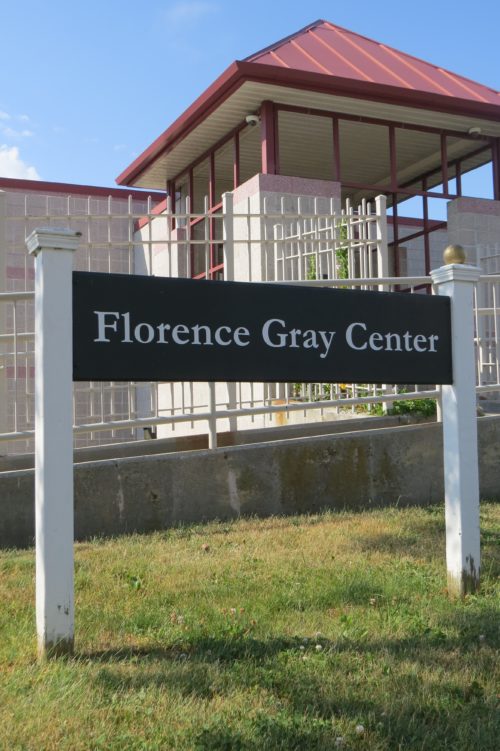
Residents of Newport’s North End neighborhood have a new place to go for their health and wellness needs as well as to meet their neighbors and socialize. The Florence Gray Center wellness hub, at 1 York Street, is now officially operating under the Newport Health Equity Zone (HEZ) initiative.
The Florence Gray Center (FGC) wellness hub will serve the North End in much the same way that the Dr. Martin Luther King Jr. Community Center (MLKCC) wellness hub at 20 Dr. Marcus Wheatland Boulevard functions in the city’s Broadway neighborhood. The wellness hubs at both facilities offer free programs, services and activities to community members of all ages. An open house was held at Florence Gray earlier this month to introduce the new meeting space to local residents. The event was well attended and captured by Channel 10 news.
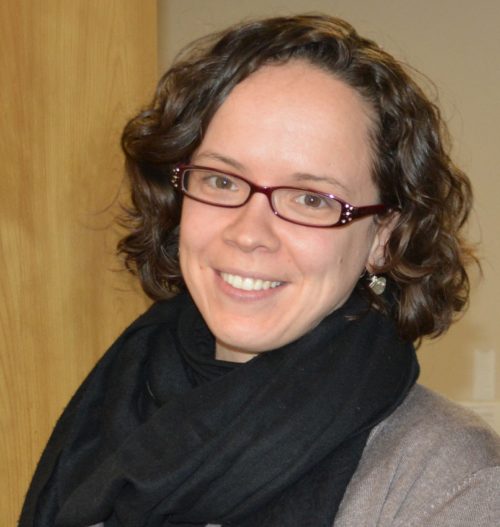
The Women’s Resource Center, serving Newport and Bristol Counties, is the sponsor agency of the Newport HEZ program. Olivia Kachingwe, project coordinator for the Newport HEZ program, said that having a second wellness hub in the city is important because it will provide residents of the North End with better access to the programs and activities planned by the HEZ program. “We found in our needs assessment that transportation is an issue for many residents, so we are pleased to have a second wellness hub in the city. It is important to us that our activities are equally accessible to both communities that make up the Newport HEZ. My hope is that both locations are thriving and vibrant,” she said.
Both the FGC and MLKCC wellness hubs offer a wide range of programs, classes and activities under the Newport HEZ initiative. While the impetus for all of the programs is to foster healthier lifestyles for residents and prevent disease, the specific offerings reflect the input and direction of community residents. Classes range from diabetes prevention and yoga to basketball clinics and a senior citizens’ walking group.
Olivia notes that hub offerings are on a two to three month cycle. This ensures variety and allows them to reach a larger, more diverse audience. Moreover, programs are funded through a mini-grant process advertised in the community. This allows for residents to develop an idea, apply for funds, and implement a program. “It is important to the HEZ collaborative that residents themselves feel empowered and are supported to make community change. They are meeting the needs that the community identified, and are providing programs by themselves, for themselves,” says Olivia.
In addition to resident-driven programs funded through a community bid process, the wellness hubs also offer evidence-based programs such as the Diabetes Prevention Program. Residents of the Newport HEZ have been trained by the Rhode Island Department of Health to facilitate these classes.
In addition to the structured programs, Olivia says the Florence Gray Center, like its counterpart at the MLKCC, can be used as community meeting space upon request. The collaborative already holds monthly meetings in the wellness hubs and they would like to provide the opportunity to others. “If a group or individual would like to hold a book club for example, but just needs a space, we would love to host it. Ultimately, we would like for the spaces to feel like they belong to HEZ as much as they are the community’s,” says Olivia.