Monthly Archives: October 2016

2018 Pell Bridge Run

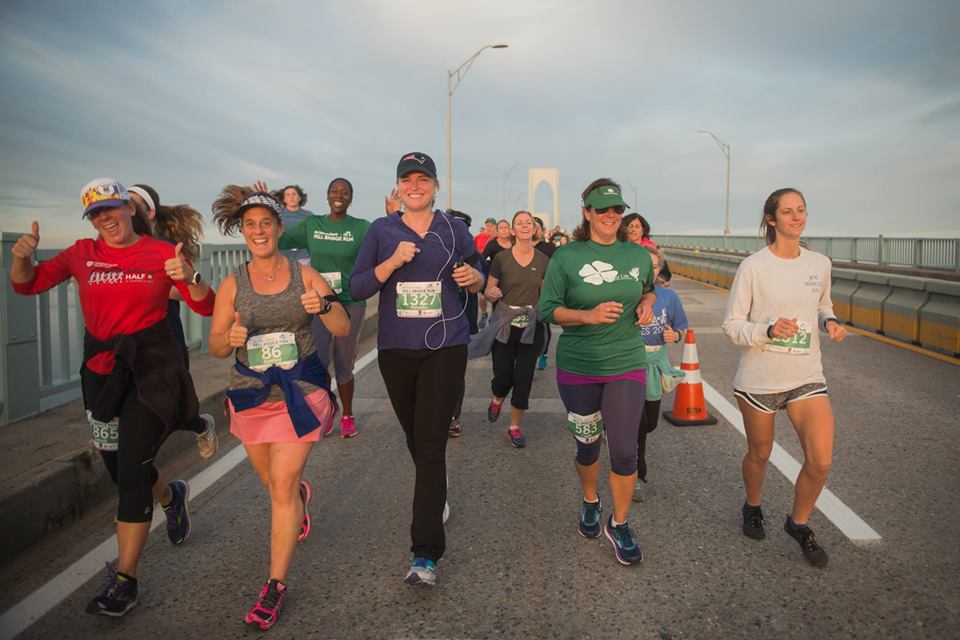
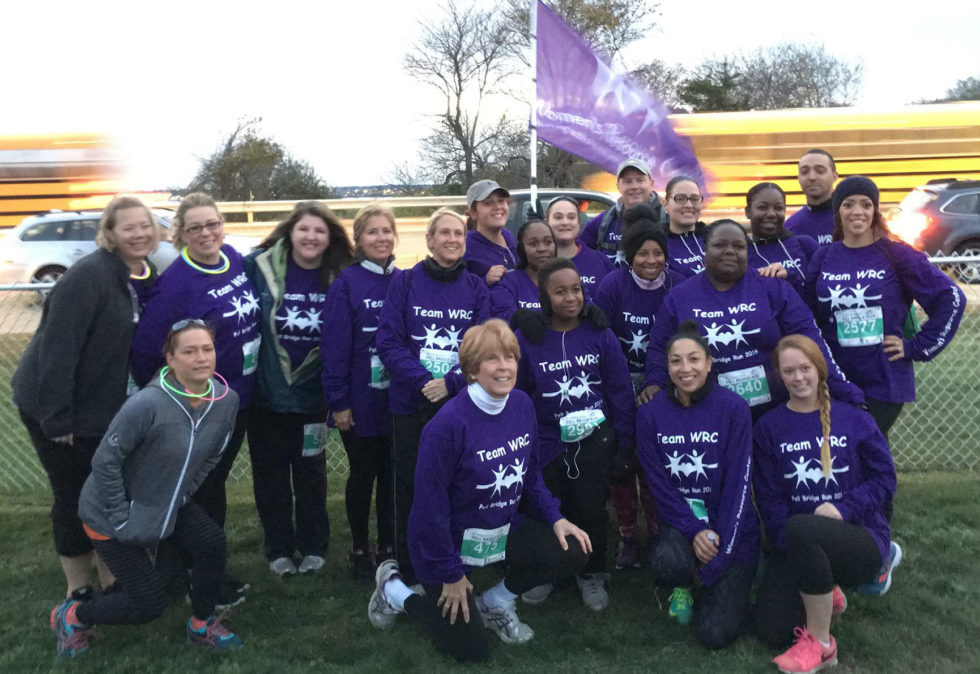
The Citizens Bank Pell Bridge Run is a 4 mile run/walk produced by the Rhode Island Turnpike and Bridge Authority. This event is not-for-profit and 100% of proceeds will go to support local not-for-profits, like ours!

* October 21, 2018

* 7am: Race Begins

* $250 suggested fundraising goal

* Fundraise here: http://crowdrise.com/TEAMWRC


Joining Team WRC is easy:

  1. Click: www.pellbridgerun.com
  2. Click ‘Register ‘ & click ‘Register Here’
  3. Click ‘Tickets’
  4. Click ‘Team’
  5. Type: Team WRC
  6. Type: NewportBristol & click ‘Join Team’
  7. Type the number of people you are registering, then click ‘Checkout’
  8. Process your payment & welcome to the team!


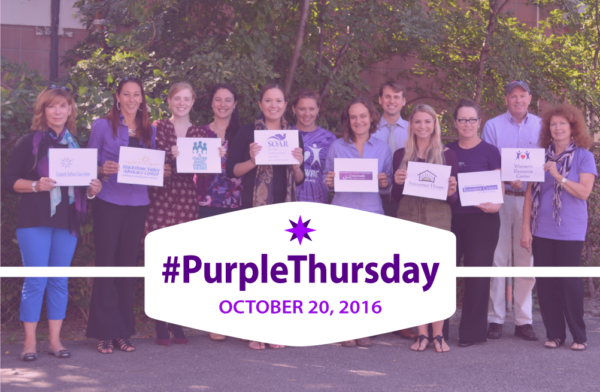
Why Purple for DVAM?

Purple has long been associated with military bravery and royalty (and was famously favored by a Princely musician). But why has it become the color of Domestic Violence Awareness Month?

The internet provides a few different answers, but according to an article on DomesticShelters.org, the decision to use purple to symbolize the cause of domestic violence can be traced back to the early 1900s. Rose M. Garrity, president of the National Coalition Against Domestic Violence (NCADV), said the women’s suffrage movement utilized purple, white and gold because those were the colors of the National Women’s Party. She said these colors originated in England and symbolized “purity, hope and loyalty.”

Flashing forward to July 9, 1978, nearly 100,000 advocates of equal rights for women marched in Washington, D.C., many dressed in lavender. In October 1981, the NCADV observed a “Day of Unity,” and a majority of participants also chose to wear lavender or purple.

The Day of Unity later turned into a week of activities held at local, state and national levels. In October 1987, the first Domestic Violence Awareness Month was observed, and again, purple-hued clothing was widely embraced by participants.

This progression of events helped solidify the adoption of purple for marketing and promotional purposes by domestic violence shelters and advocacy organizations. “There’s a lot of use of the color in the movement and people know what it means,” Garrity said.

Garrity noted, “Battered women chose purple as an evolution of the lavender from decades past. It’s seen as a color of royalty and is already associated with females anyway. As the battered women’s movement grew, we designated October as DV awareness month where we shine a purple light to show support of DV survivors.”

While October is associated with the color pink to symbolize the fight against breast cancer, it is also now widely recognized by domestic violence prevention agencies and support organizations as the month of purple.

As a representative from the NCADV recently observed, “October can handle both pink and purple.”

Brick Fundraiser

bricks_v3

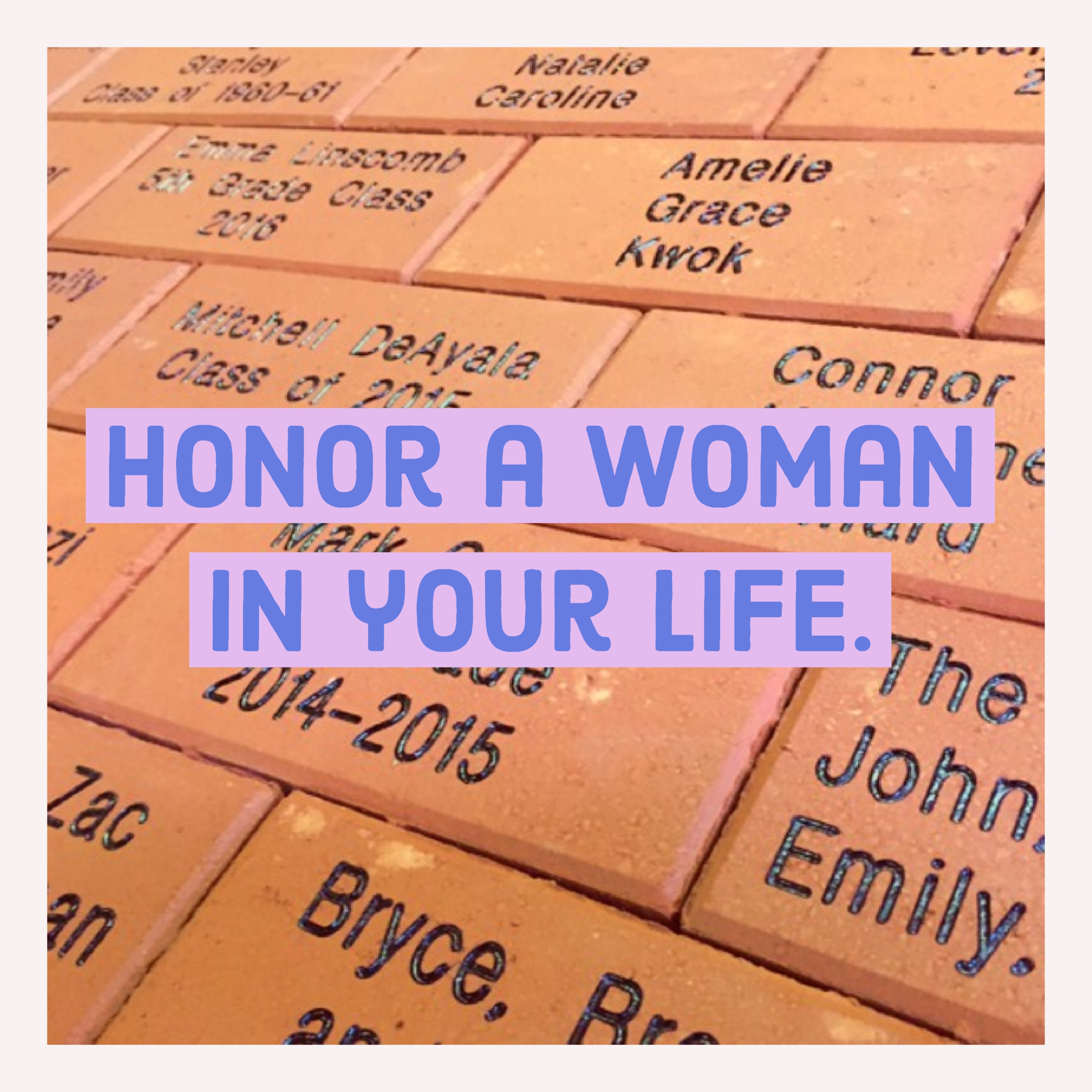
Women’s Resource Center invites you to purchase a commemorative brick that will become part of the garden walkway at its Newport office. Your gift of $100 will fund a 4” x 8” paver, which can be engraved with the name of your family, business, organization or someone special you would like to honor. Contributions will support the WRC. Call 401-236-8352 to purchase a brick over the phone, or click here to order online.

Women’s Resource Center’s Annual Appeal

As a nonprofit agency serving Newport and Bristol Counties, Women’s Resource Center (WRC) relies on various funding sources to provide advocacy, education and support to victims of domestic violence and their families. The annual appeal is one of the most important revenue sources in achieving our community outreach goals.

The 2016 appeal will focus on neighborhoods, with the idea that building a stronger sense of community encourages people to look out for one another while also encouraging those individuals who are in need of help to reach out and ask for it.

This concept is directly related to WRC’s Newport Health Equity Zone (HEZ) project, which involves taking a community approach for improving the health and wellness of area residents. The idea – and the hope – is that an increase in wellbeing  and connectedness will result in a decrease in domestic and relationship violence.

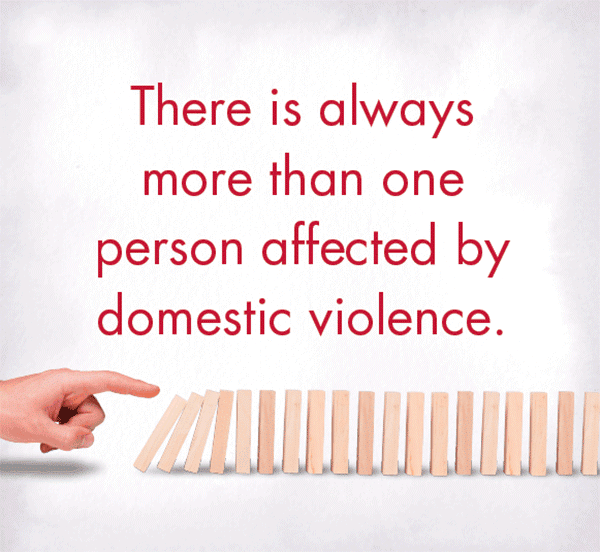
While domestic violence prevention advocates have made inroads through legislative policy, working with police departments and community organizations to change attitudes, and implementing marketing efforts to provide outreach and raise  awareness, even one incident of domestic violence is one too many.

Here in Newport and Bristol County alone, the statistics are sobering. In 2015, WRC fielded 1,687 calls on its 24-hour hotline and provided 1,302 individuals with some type of assistance.

In addition, WRC provided:

2,726 bed nights in its safe home for victims of domestic violence/homeless (18 adults and 21 children)

2,369 bed nights in its transitional housing (6 adults and 11 children)

Help with obtaining 60 temporary restraining orders for people in crisis and provided an average of 10 services for each individual.

1,499 counseling sessions

Service to 322 clients in the Family Violence Options Advocacy Program

That’s why WRC needs your help. The 2016 appeal provides the money that allows WRC to continue its free programs and services to those in need. When you receive your appeal mailer, please consider making a tax-deductible gift to the WRC. You’re part of the neighborhood, too.
SPOTLIGHT ON Susan Alexander

Breaking free of domestic violence often requires the victim to be involved in the judicial system. Since this can be an intimidating experience, Women’s Resource Center offers the services of a court advocate. One of WRC’s longest serving advocates is Susan Alexander.

Susan worked for 20 years as a registered nurse. In 2007, she returned to college, completing an associate’s degree in paralegal studies. She is currently enrolled at Roger Williams University where she is continuing her education in this field along with healthcare administration.

Susan arrived at WRC in 2009 as an intern and stayed on. “My intent was to find the opportunity that would give me hands-on experience in the judicial process while also allowing me to give back to the community at the same time,” she says.

The court advocacy program is designed to help victims navigate through the court system by providing support, education, and referrals. Advocates are available in the courthouse every day, where they work with court personnel, judges, attorneys, police departments, probation, and the attorney general’s office on behalf of the victim. They also assist with restraining order applications.

“As every case is different and every person has their own individual circumstances, each client must be respected as to where they find themselves in their own experience,” Susan states. “As advocates, we help them identify their own strengths and assure them that they are not alone.”

When not serving victims of domestic violence, Susan can be found in her garden, delving into a good novel, working out at the gym, or spending time with her family.